
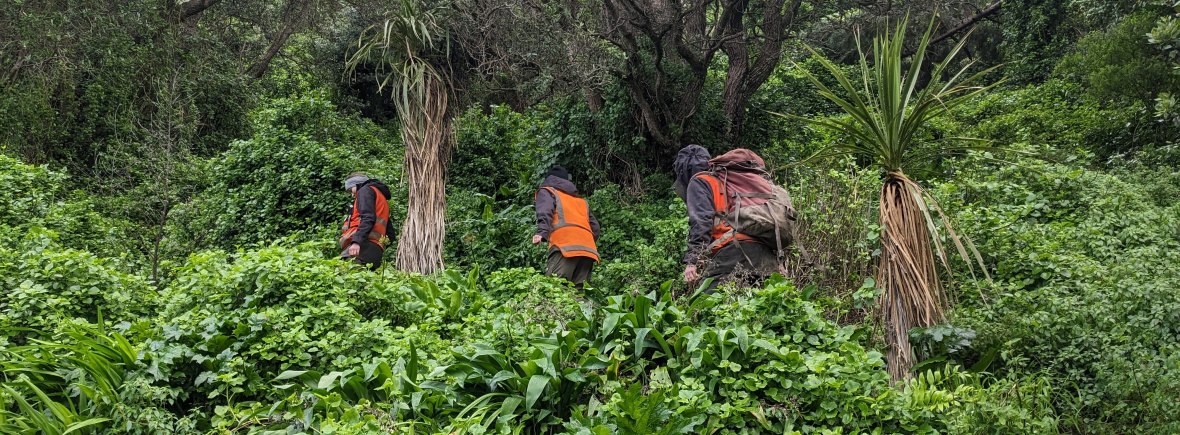
Predator Free Wellington (PFW) is an ambitious conservation project aiming to make Wellington, New Zealand, the world’s first predator-free capital city. This project is a collective effort involving thousands of Wellingtonians, local businesses, schools, and community groups. When you are out and about on the Wellington trail network you will notice an abundance of bird song as a direct result of the impact of the project.
How do you make a city predator free? David Klein from Predator Free Wellington explains.
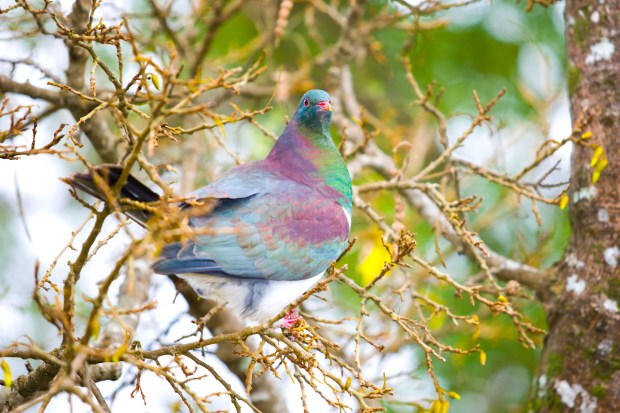
Kereru – Photo Courtesy of WCC.
Can you tell us a bit about Predator Free Wellington (PFW) and its history?
Aotearoa New Zealand has been geographically isolated for millions of years. That means we are home to animals found nowhere else on earth. But the arrival of people and the mammalian predators we brought with us has had a huge impact. Sixty-eight thousand native birds are killed by introduced predators every day! Do we want our hills and trails to be eerily quiet, or would we rather be bowled over by amazing bird and lizard sightings?
PFW is the urban part of a project to turn this around: Predator Free 2050. We’re removing every rat, possum, stoat and weasel from our awesome city where more than 200,000 people live, work and run. Similar projects are happening around the country.
We successfully cleared Miramar Peninsula in 2023. Now we’ve got our systems in place, we’re going harder and faster across the rest of our city.
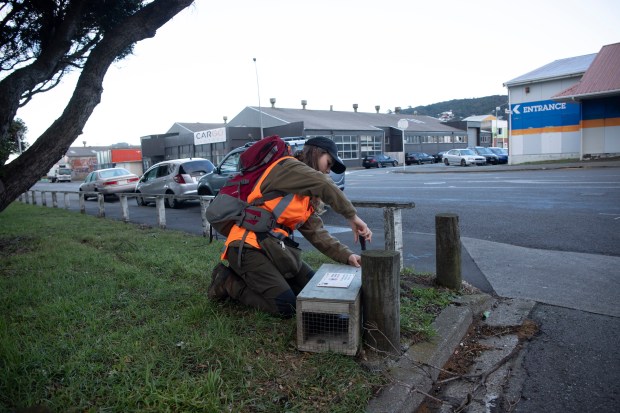
Trap installation. Photo by Hannah Wareing
What’s involved in making this project happen?
We work with the community. We knock on doors and ask for permission to install a trap or bait station at people’s houses. Our team does this free of charge, then checks the traps until the rats are gone. Once we’re confident an area is cleared of predators, it goes into ‘biosecurity’. This means we use cameras, sniffer dogs and rely on public sightings to make sure no critters sneak back in.
We use a lot of mapping and data to guide our work. Our field operators walk up and down the streets, hills and tracks of Wellington carrying all the gear they need. If you took out the traps, kept the peanut butter, and slapped on a race number, they could have a crack at a trail run. We’re fortunate to have notable Wellington runner Tim Sutton on our team.
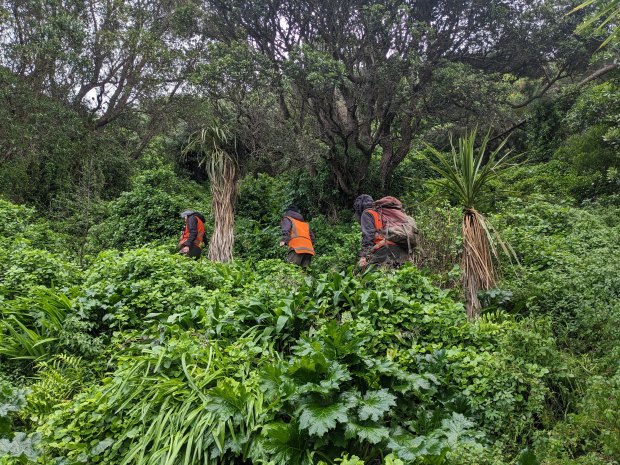
Field team in Breaker Bay
Is your project the same as backyard trapping?
We work alongside the thousands of Wellingtonians trapping in their backyards, berms and reserves. There are dozens of groups across the city making a huge difference to our native wildlife. PFW is a formal elimination project that is funded to remove our target species from Wellington. We have a team of about 35 working on this full time. Every trap counts though, and we are extremely grateful for the hard work of volunteer trappers. Their ‘eyes and ears’ will also stop rats coming back.
How is the project tracking?
Phase 1, the Miramar Peninsula, is complete! That’s more than a thousand predator-free hectares (about 1,000 rugby fields) – which we’ve protected from reinvasion for more than a year. We’re currently (Oct 2023) on Phase 2, Island Bay to CBD. We’ll be moving south toward Island Bay, then pushing west. We’re constantly reviewing and innovating our work. Phase 1 gave us the blueprint to remove rats from urban areas and we are working through the rest of the city.
What kinds of results are you seeing?
Bird, lizard and insect life are all thriving! Bird monitoring has shown huge increases since 2011, including kererū (a 243% increase), kākā (+170%), tūī (+93%) and pīwakawaka (+37%). Geckos and wētā numbers are booming too. We also know these numbers are up because people tell us! There’s a real buzz around the city as nature returns.
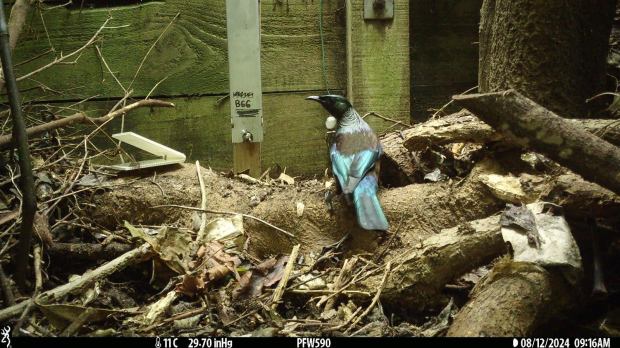
Tui captured on a trail camera
An awesome thing too is that everyone benefits from a rat-free city. There’re fewer holes in the walls and less chance of house fires or damaged cars caused by chewed wiring.
How can people get involved?
They can sign their property up to the project. People can also join a volunteer trapping group – why not combine a run through the bush with a few trap checks? We are also a charitable trust, and every donation helps us do this work faster.
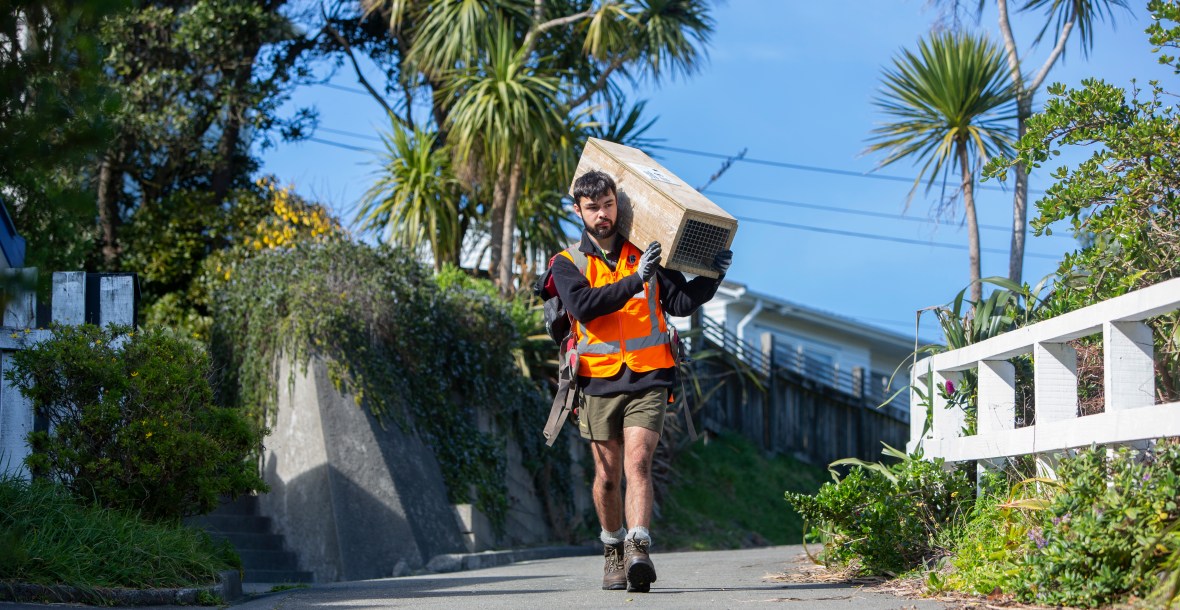
Seb installing traps. Photo courtesy PFW
Thanks to the team at Predator Free Wellington for sharing their story with us! Visit: https://www.pfw.org.nz/ to learn more about their amazing work.
 Run Wellington